In a turbulent global landscape marked by geopolitical events like the war in Ukraine, the maritime industry showed remarkable resilience, adapting to new, lengthier trade routes.
Maritime trade volumes dipped 0.4% in 2022 but are on track for a 2.4% rebound in 2023 and above 2% growth through 2028.
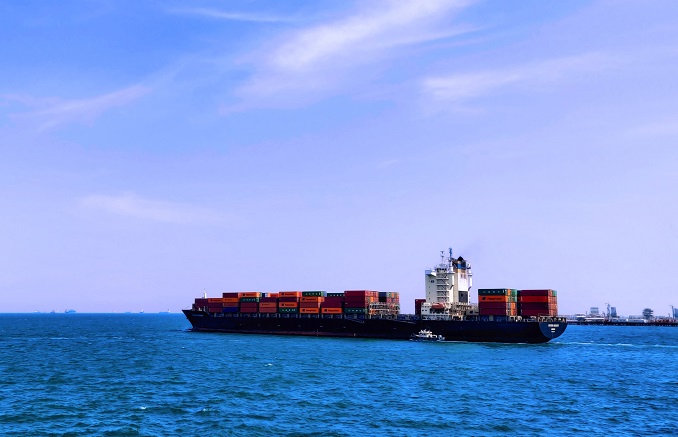
A sector-specific analysis shows that containerized trade, vital for transporting everything from electronics to food to medical devices, is also bouncing back, forecast to grow 1.2% this year after suffering a 3.7% drop in 2022. Trade volumes remain, however, below pre-COVID-19 levels.
In the energy sector, the oil and gas trades surged 6% and 4.6% respectively in 2022 as pandemic restrictions eased.
Tanker and dry bulk rates, key industry barometers, have also shown positive trends.
Tanker freight rates, crucial for oil and gas transport, peaked in 2022 and remain strong in 2023. But uncertainties due to the energy transition and new regulatory requirements could limit future carrying capacity.
Dry bulk rates, affecting commodities like grain and coal, were volatile in 2022, peaking in May before falling to pre-pandemic levels by the year’s end. Rates have since rebounded as demand surged and China’s industries recovered.
To sustain resilience against future challenges, especially climate change, the sector must not only accelerate decarbonization but also enhance port efficiency and adopt new technologies, focusing on the needs of developing economies.