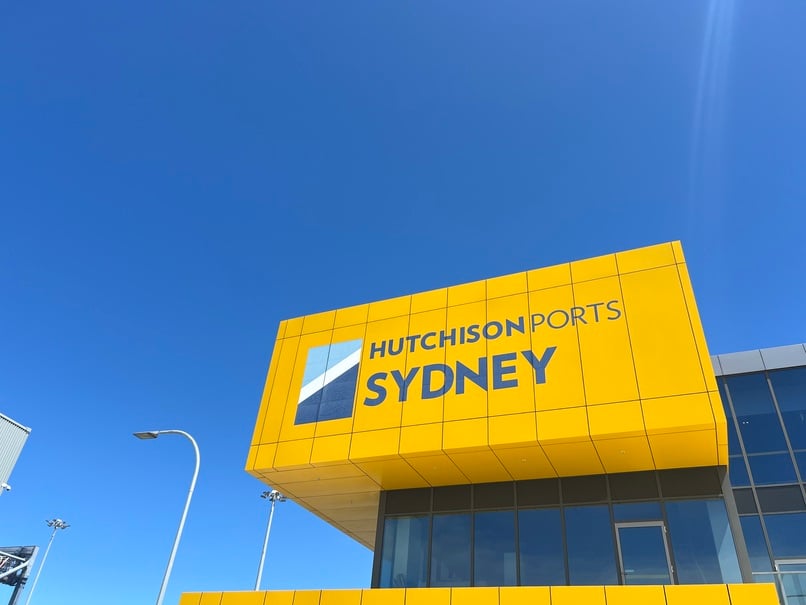

Shipping Australia today expresses its support for DP World in its enterprise bargaining dispute with the Maritime Union of Australia. We call for the MUA to resume negotiations.
The average daily value of the container trade in the whole of Australia is about AUD$724.14 million per day. About 1-in-5 jobs depend upon logistics. About 99.92% (or more) of everything that is imported or exported from Australia travels by ship.
It follows, that DP World Australia, along with the other major container terminal stevedores are vitally important to Australia. The container terminal stevedores handle pretty much everything you, and small businesses, buy and sell.
On the import side, that’s pretty much everything you and your family buy in the shops or what tradies buy in trade outlets. That’s things like plastics, tyres, tools, cutlery, perfume, cosmetics, paint, washing-related chemicals, medical equipment, medical consumables, pharmaceuticals, glass, ceramics, plasters, furniture, bedding, logs, timber, cork, toys, games, paper, clothing, carpets, footwear, foodstuffs, TVs, electrical goods, and everything else besides.
Spare a thought too for our exporters – our small businesses and our farmers. Our containerised exports include everything we’ve listed above plus rural-origin goods, produce and commodities, such as cork, straw, logs, timber, cereals, wheat, fruit, vegetables, animal products and much more besides.
So, it follows that anything that disrupts our international trade will harm Australia and everyday Australians.
There has been a series of rolling industrial actions at the DP World terminals around Australia. These terminals handle the containers in which all of our import and export goods are packed. So it follows that industrial actions at the DP World terminals will hurt our international trade and thereby hurt Australia and Australians.
Even as we write and publish this item today, there is a day-long ban on loading and unloading trucks one of the terminals, and those truck-work-bans basically bring trade through that terminal to a complete stop.
And there’s more to come over the next few days with a wide range of industrial action, including strikes, bans on different kinds of work, delays to work, bans on overtime, and bans on the loading and unloading of trains, among many more.
It now takes up to seven or eight days to unload cargo, when it normally takes two days.
This causes harm. It causes harm to our members – who are not parties to the dispute – as it can cost tens of thousands of dollars a day (or more) for a ship to just sit there. Strikes harm the trucking industry, as truckies cannot get their trucks loaded in good time. Strikes harm warehousing companies, distribution centres and everyone up and down the supply chain.
Strikes hurt small businesses who rely on imports of much needed goods and equipment. Strikes hurt exporters and, especially, famers who need to ship perishable goods to market.
Because ocean shipping underpins all economic activity in Australia, the MUA’s industrial action harms Australian businesses – large, big, and small. It harms Australian importers and exporters. It harms Australian jobs. It harms Australian families. It harms everyday Australians going about their normal business.
It harms you.
Let us tell you how much harm this causes.
- Container ships can cost, depending upon all circumstances, anywhere from $50 a minute to $250 a minute to operate.
- The value of disrupted cargo from one simultaneous day of disruption at all DP World terminals is over $201 million a day.
- The direct and indirect costs to the Australian economy from a one day strike at all DP World terminals is about $22m a day.
Australian businesses, everyday Australians, and Australian families don’t deserve further harm.
It’s time for the Maritime Union of Australia to stop harming the people of Australia and to come back to the negotiating table with DP World, to strike a deal, and to go back to work.