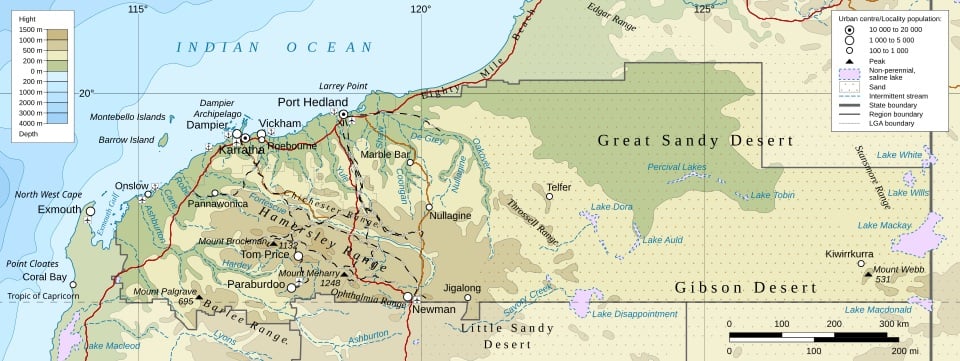

The Al Kuwait livestock carrier (IMO:9590931) which arrived in Fremantle with crew suffering from COVID-19 has been subject to some loud and alarmist commentary from people who should know better.
From the information publicly available it seems that the crew and the officials acted correctly, with proper notifications being made in a timely manner to the appropriate authorities.
When it was understood that there were people aboard with a potentially serious medical condition, they were taken to hospital. This is normal and appropriate.
It is important to remember that illnesses aboard ships are expected. On this occasion the reporting of elevated temperatures was a firm indication of the chance of COVID-19. The federal and state departments of health have control measures in place to handle such incidents.
Some context: rare and low-risk
A few numbers may help put the situation in context.
COVID-19 aboard cargo vessels is really quite rare (this does not take consider cruise ships which are a completely different risk category).
COVID-19 restrictions on commercial cargo vessels have been in place for about three months. Normally, there are about 4,267 international cargo vessel arrivals in Australia every three months (see “1” below for details).
So, what we have seen is one COVID-19 incident out of 4,267 cargo vessel arrivals. By way of comparison, that is less than the risk of a person being struck by lightning during his or her lifetime (2).
Seafarers are protecting health
Seafarers are acting to protect the health of our communities by spraying disinfectants over their ships, by wearing protective equipment and, of course, they are notifying land-side authorities of any sicknesses onboard their vessels before they arrive.
Shipping must continue
Shipping is an essential service. Whether they realise it or not, Australian families rely on ocean cargo vessels to carry the everyday goods and foodstuffs that they buy. Cargo vessels also carry medical equipment, disinfectants and medical supplies of all kinds here. Directly or indirectly, Australian businesses of every kind rely on shipping.
The Prime Minister, Scott Morrison, summed it up in an interview on 27 May: “everyone’s doing the job they should be doing… we can’t shut down the shipping industry … on the basis of coronavirus… we’ve got the systems in place and they can be managed and they can be protected and they are being.
“But if we’re going to stop exporting… whether it’s our agricultural products or our resources … then that is going to hurt our economy drastically…
“There’s a ship, there’s some people on that ship who’ve got the virus. They’ve been isolated. That’s what should have happened.”
Editor’s note:
For additional information contact Rod Nairn, chief executive officer on 0449 902 457.
Shipping Australia is a peak national shipping association comprising 28 member shipping lines and shipping agents, which are involved with over 70 per cent of Australia’s container and car trade. They are also involved with over 60 per cent of our break bulk and bulk trades along with significant cruise ship and tug operations.
1: See “Australian sea freight 2016-2017,” page “vi”, October 2019, Bureau of Infrastructure, Transport, Cities and Regional Economics. In the whole 2016-2017 financial year, BITRE reports that freighters made 17,068 voyages to Australian waters from overseas ports. Dividing that number by four means that each quarter there are about 4,267 voyages by freighters to Australia from overseas ports.
2: “Odds-on, lightning will strike twice,” science communicator Dr Karl S. Kruszelnicki, specifically states on the ABC that: “In the USA, your odds of being hit by lightning over an 80-year lifespan are roughly one in 3000”.