The 2010 HNS Convention establishes the first international compensation regime for accidents involving hazardous and noxious substances carried by sea.
The International Convention on Liability and Compensation for Damage in Connection with the Carriage of Hazardous and Noxious Substances by Sea (2010 HNS Convention) is set to enter into force on 29 November 2027, marking a milestone for shipping’s global liability and compensation regime as increasing volumes of chemicals and alternative fuels are transported by sea.
The conditions for the treaty’s entry into force were met on 29 May 2026, paving the way for the 2010 HNS Convention (the 1996 Convention as amended by the 2010 Protocol) to enter into force 18 months later.
Conditions for entry into force met
Under article 21(1), the 2010 HNS Protocol will enter into force 18 months after the following requirements have been satisfied:
- at least 12 States to express their consent to be bound, including four States each with not less than 2 million units of gross tonnage; and
- the receipt, by the IMO Secretary-General, of information confirming that contributing cargo in those States amounted to at least 40 million tonnes in the preceding calendar year.
There are currently 12 contracting States to the 2010 HNS Protocol, following ratifications by Belgium, Germany, the Kingdom of the Netherlands and Sweden in April 2026. Nine of these States have more than 2 million units of gross tonnage.
Reports on contributing cargo submitted by contracting States in accordance with article 20 of the Protocol confirm that the required aggregate quantity of contributing cargo – more than 40 million tonnes – was achieved for the 2025 reporting year.
What the treaty covers
The 2010 HNS Convention complements existing IMO liability and compensation regimes addressing oil pollution and hazardous shipwrecks, extending similar protection to damage involving other hazardous and noxious substances.
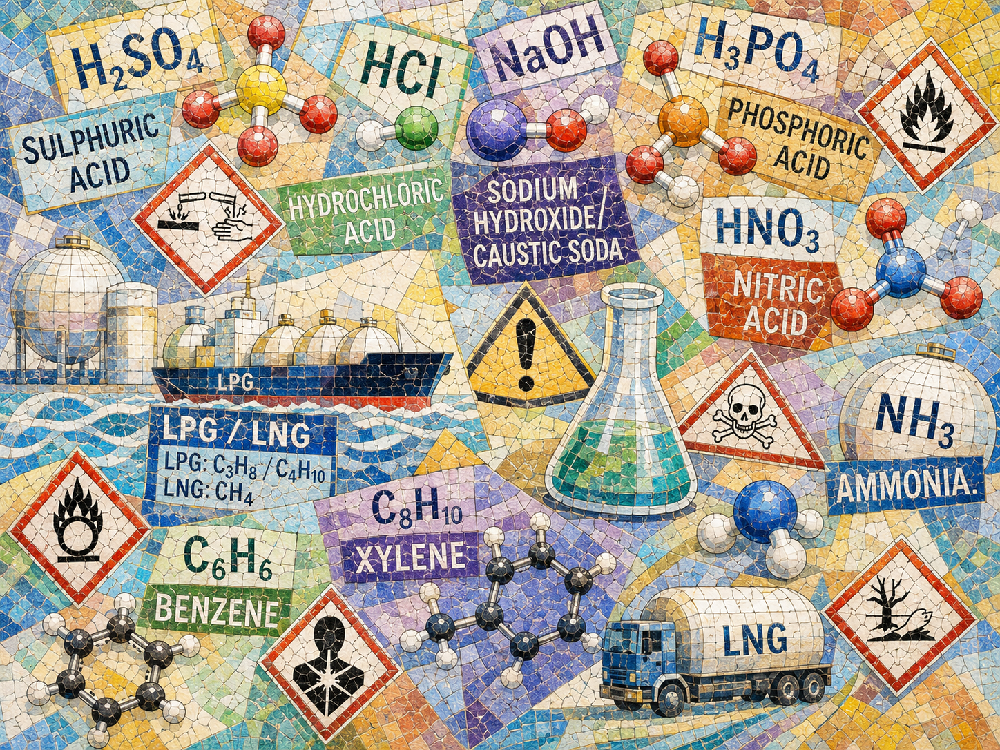
The Convention covers loss of life, personal injury, property damage, economic loss, clean-up costs and environmental damage arising from incidents involving more than 2,000 hazardous substances carried by sea, including chemicals, oils, acids, fertilizers, alcohols, LNG and LPG.
Under the regime:
- shipowners are subject to strict liability for damage and are required to maintain State-certified insurance or other financial security; and
- additional compensation is available through the HNS Fund, financed by contributions from receivers of HNS cargo in Contracting States.
It is estimated that approximately 65,000 ships will require HNS certificates of insurance or other financial security.
HNS Fund
The 2010 HNS Convention applies the “polluter pays” principle by ensuring that the shipping and HNS industries provide compensation for those who suffer loss or damage resulting from an HNS incident.
An HNS Fund will be established to provide compensation once the shipowner’s liability is exhausted. The Fund will be financed through contributions paid post-incident by receivers of HNS cargo in contracting States.
Total compensation available under the Convention is capped at 250 million Special Drawing Rights (SDR) of the International Monetary Fund (approximately USD 360 million at current exchange rates) per incident.
Shipowners are held strictly liable up to the maximum limit established under the Convention for the costs arising from an HNS incident.
The HNS Fund will be administered by States, with contributions based on the actual compensation required.