A landmark convention aimed at boosting safe and environmentally sound ship recycling came into force around the world yesterday.
Adopted at a Diplomatic Conference in Hong Kong, China, in May 2009, the International Convention for the Safe and Environmentally Sound Recycling of Ships, is designed to ensure that ships at the end of their life are recycled safely and without unnecessary risk to human health or the environment.
The Hong Kong Convention was designed to enter into force 24 months after 15 members states of the IMO accounting for 40% or more of the world’s merchant shipping by gross tonnage, and a ship recycling capacity of at least 3% of world’s merchant shipping fleet by gross tonnage ratified the Convention. Those conditions were met by June 2023 when the nations of Bangladesh (one of the world’s largest ship recycling countries) and the Liberia (one of the world’s largest flag states) acceded to the Convention.
Almost all ship recycling is carried out in five countries, according to the IMO, and these countries are: Bangladesh, China, India, Pakistan and Türkiye.
A warm welcome
Entry into force of this Convention has been warmly welcomed by the International Chamber of Shipping, which has been advocating for the Hong Kong Convention to come into force since it was adopted at the International Martitime Organization in 2009.
Thomas A. Kazakos, Secretary General of the International Chamber of Shipping, commented: “Today marks a welcome and historical development after two decades of work on the issue. At ICS we have long been championing for safe and sustainable ship recycling practices. Now that the Hong Kong Convention has entered into force we can look forward to even more progress in improving ship recycling around the world. As the industry pushes forward on its decarbonisation journey the lifespan of the merchant fleet is likely to reduce, through global instruments such as the Hong Kong Convention we can progress, safely, efficiently and sustainably. A global industry needs global regulations.”
Ships, as can be appreciated, are massive objects that embody a vast range of materials. Many of these materials have value at the end of the ship’s life and can be both economically and environmentally recycled. The IMO points out, for example, the recycling steel requires just one third of the energy used in the manufacture of steel from raw materials.
What the Convention does
The Hong Kong Convention embraces the “cradle to grave” concept, addressing all environmental and safety aspects relating to ship recycling, from the ship design stage through to the end of the ship’s life, including also the responsible management and disposal of associated waste streams in a safe and environmentally sound manner.
The Convention places responsibilities and obligations on all parties concerned – including shipowners, ship building yards, ship recycling facilities, flag States, port States, recycling States.
Upon entry into force of the Hong Kong Convention, ships to be sent for recycling will be required to carry onboard an Inventory of Hazardous Materials. Ship recycling facilities authorized by Competent Authorities will be required to provide a Ship Recycling Plan, specific to each individual vessel to be recycled. Additionally, Governments will be required to ensure that recycling facilities under their jurisdiction comply with the Convention.
The IMO notes that, while the principle of ship recycling is “sound”, the working practices and environmental standards around the world will vary from yard to yard.
“Global regulation will ensure safe working practices for those employed in ship recycling yards, along with consistent environmental standards,” the IMO has stated.
It notes that the regulations in the Convention will cover the design, construction, operation and preparation of ships to enable safe and environmentally sound recycling, along with an appropriate enforcement mechanism.
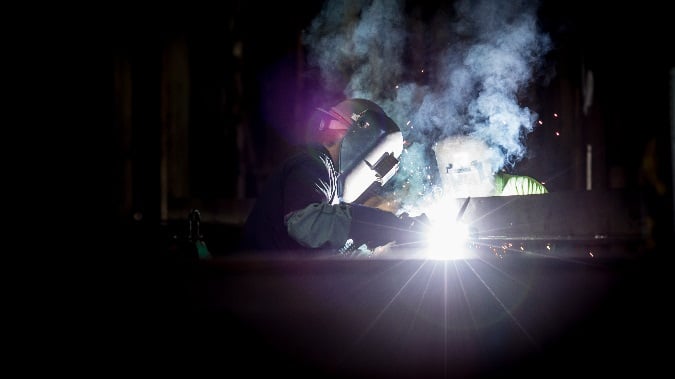
The Convention requires that ship recycling yards must be authorised and must prepare a ship recycling facility plan that addresses worker safety and training; the protection of human health and the environment; the roles and responsibilities of personnel; emergency preparedness and response; and monitoring, reporting and record-keeping systems.
Ships must have an Inventory of Hazardous Material onboard that is ship-specific and that plan must be prepared and verified in line with IMO guidelines. Ships will be required to have surveys and a final survey prior to recycling.