United Nations bodies, the International Maritime Organization and the Food and Agriculture Organization, have made progress on the Global Litter (GloLitter) Partnerships Project.
The agreement between the two bodies explains how the agencies will joint execute the project and sets out the next steps “toward the many strategic partnerships” that are anticipated.
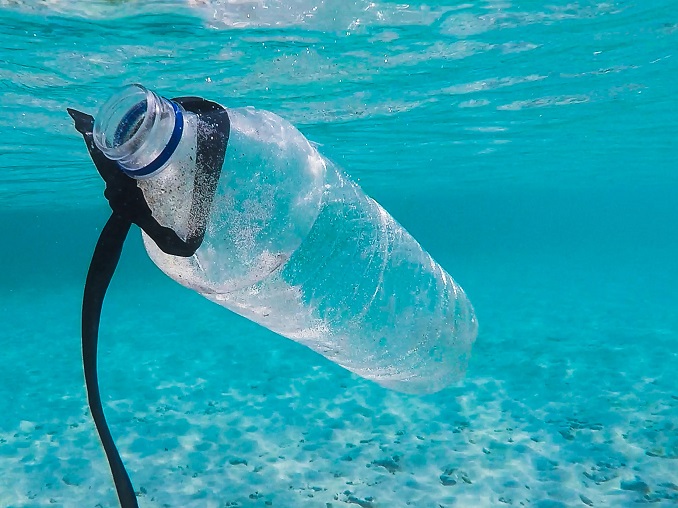
GloLitter was launched in December last year to prevent and reduce marine plastic litter from shipping and fisheries vessels. Launched by the IMO, the FAO and with funding Norway, it is designed to help meet one of the targets in UN Sustainable Development Goal 14 which is to conserve and sustainably use the oceans, seas, and marine resources.
The specific target is to: “prevent and significantly reduce marine pollution of all kinds, in particular from land-based activities, including marine debris and nutrient pollution, by 2025″.
The GloLitter project will consider the availability and adequacy of port reception facilities and will look at enhancing awareness of the issue of marine plastics in the shipping and fisheries sectors.
It will promote compliance with relevant FAO instruments, target waste management in ports and it will additionally emphasise the implementation and enforcement of the IMO’s London Convention on the dumping of wastes at sea.
According to the IMO, the agreement between it and the FAO was signed on 14 April 2020 by Dr. Jose Matheickal, Chief of the Department of Partnerships and Projects, IMO, and Roberto Ridolfi, Assistant Director General of FAO.
Country-representatives have until April 30 to submit expressions of interest in participating in the GloLitter project.
More details about the GloLitter Project can be found at the IMO website.