
Ethyl formate in combination with carbon dioxide has been approved as a new biosecurity treatment for Brown Marmorated Stink Bug (BMSB) from 01 September 2025 (i.e. the start of the stink bug season).
The ethyl formate fumigation methodology (version 1.0) and associated treatment documentation templates have been published and are available on the Department of Agriculture website.
The methodology outlines the minimum requirements for conducting ethyl formate fumigations on commodities and/or associated packaging for quarantine and pre-shipment purposes.
Implementation of ethyl formate will be phased, beginning with offshore use as a pre-arrival treatment for the 2025-26 BMSB risk season, with plans for onshore use to follow in 2026-27. BMSB seasonal measures will apply to targeted goods manufactured in or shipped from target risk countries, that have been shipped between 1 September and 30 April (inclusive), and to vessels that berth, load, or tranship from target risk countries within the same period.
Treatment providers wishing to conduct ethyl formate treatments must be registered under AusTreat, the Department’s offshore treatment assurance scheme. A registration form will be available on the AusTreat webpage on 1 August 2025.
Ethyl formate is formed when specific types of acid and alcohol interact. It is a known irritant to human tissues, and is a central nervous system depressant. It is also considered to be flammable. However, it is generally recognised as safe if it is handled correctly.
The Ethyl formate / CO2 mix appears to be particularly potent against BMSB. A New Zealand Ministry of Primary Industries study tested the compound on thousands of non-diapausing and diapausing BMSB (“diapause” is a dormant state of suspended development). Of the many thousands that were exposed, there were no survivors.
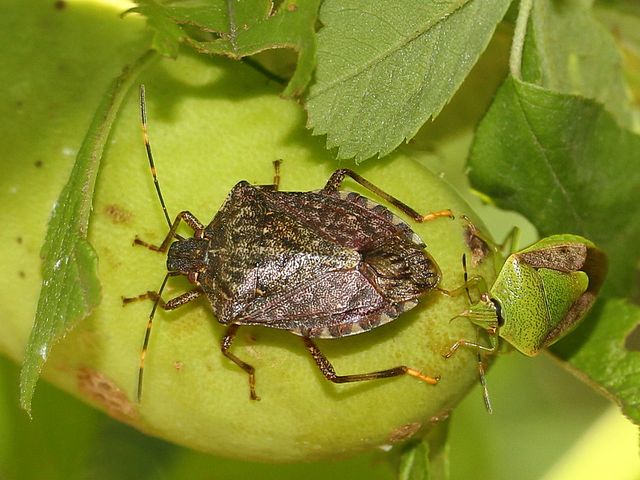
BMSB is reported to be a “voracious” feeder and is known to eat 300 types of plants including nuts, grains, fruit, vegetables, nursery stock and ornamentals. BMSB is native to China, Japan, Korea, and Taiwan. It has spread to the United States and Europe. It is a known hitch-hiker and can be detected by border officials on a wide range of imported goods and cargo including machinery, furniture, electrical goods, bricks and cars. It is also reported to be a “strong” flier, meaning it can spread easily once it is inside a new territory.