Shipping Australia is pleased to be in discussions with the national maritime safety regulator, The Australian Maritime Safety Authority, about a trial a project at select ports to boost opportunities to have ship’s garbage recycled onshore. You can find out more about “The Maritime Recycling Project” here.
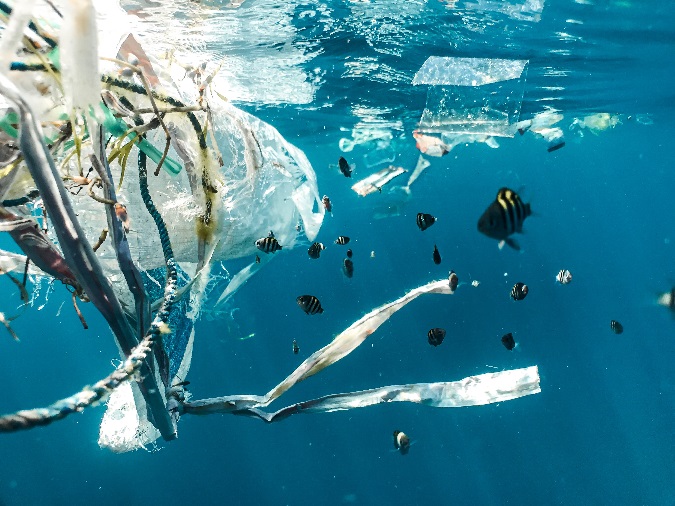
Ships inevitably – and just like many other human activities – generate garbage. Disposal overboard is already illegal under international law, specifically, under Annex V of the International Convention for the Prevention of Pollution from Ships, which is more commonly known as “MARPOL”.
Some of this ship-sourced waste could, however, be recycled – for example, items made of glass, aluminium, steel cans that formerly contained food, and hard plastics.
Commercial seafarers already separate recyclable garbage onboard ships but there is limited opportunity to offload these materials for recycling at Australian ports. It is generally understood that there is a shortage of adequate waste reception facilities and a further problem is that Australian biosecurity law mandates specific treatment of this kind of waste such as treatment by autoclave or a deep-burial of waste.
An opportunity to recycle is lost and it creates a disincentive for ships to discharge recyclables in Australian ports where it can be handled properly.
A multi-agency project is underway, involving AMSA, the Department of Agriculture, the Department for Climate Change, and others, to tackle these problems so as to clear the way for more recycling and diversion of waste away from landfills.
A pilot trial is underway so that recyclables will undergo normal biosecurity clearance but then the recyclables can be diverted into Australian domestic recycling schemes and then be recycled just like any other domestic or municipal recycling.
The ports involved in the trial are the Sydney Overseas Passenger Terminal; the White Bay Cruise Terminal; the Port Botany Bulk Liquids Berth; Fremantle Port; Hay Point; and the Port of Gladstone.
Shipping Australia is opposed to ship-sourced garbage pollution – it is illegal, it is abhorrent, and it must stop. We are therefore very pleased to be engaging with our members and with AMSA on this topic; it is, in fact, a continuation of work we have previously engaged in as we have already discussed the issue with community groups and have taken part in government-led workshops. We will look forward to constructively engaging with AMSA and with the other national government bodies to reach a successful resolution.