August 20, 2021

Supply chain study: shipping is resilient – OFFICIAL

Pictured: a large ocean-going container ship. Picture credit: Ian Taylor via Unsplash. Note: the livery of the ship in this image has been altered.

Australia’s shipping sector is resilient during the COVID pandemic. That’s a key finding from the Productivity Commission Vulnerable Supply Chains study, which was released earlier this week.

“The Australian shipping sector proved to be resilient” is what the study says in Box 2.4, fourth paragraph down.

The report also later concluded that: “Services from maritime shipping and port operators largely continued to function during the COVID-19 pandemic in Australia.”

Noting that, as an island nation, Australia is particularly reliant on freight, the Productivity Commission observed that there had been increased delays and shipping costs. It also noted capacity constraints in containers and shipping vessels, along with COVID-related issues.

However, “despite these challenges, the Australian shipping sector proved to be resilient,” the study found. It quoted a submission from the Port of Melbourne, which read:

“The COVID‐19 pandemic has demonstrated the overall adaptability and agility of our freight and logistics sector to keep the Australian economy going. Despite the significant disruptions experienced over the past 12 months, we have seen the freight and logistics sector respond and adapt to a range of challenges including for example; increased regulatory controls, supply constraints, elevated demand, equipment shortages, changing distribution markets etc”.

Purpose of the study

The study was primarily aimed at addressing the vulnerability of products in the supply chain. However, as it turned out, there are few product-related vulnerabilities in the supply chain.

“While people have been understandably feeling apprehensive about supply chains, only a few traded products are vulnerable,” said the Productivity Commission’s Jonathan Coppel.

“Businesses can usually manage these risks through stockpiling, contracts and diversification,” he added.

“The main import vulnerabilities appear to be in certain chemicals, and in personal protective equipment,” Commissioner Catherine de Fontenay added.

Editor’s note: there were a variety of other important topics addressed in the Prodcutivity Commission’s report, which we will examine in future editions of Shipping Australia’s “Signal”.

Facebook
Twitter
LinkedIn
Email

Search

Become a Member

Membership is open to all ship owners, operators and agents both Australian and International providing services to or within Australia.

Upcoming Events

Dec 4
NSW State Committee Christmas Luncheon 2026
NSW State Committee Christmas Luncheon 2026 FRIDAY, 4 DECEMBER 2026  1200hrs for 1230hrs At the “W” HOTEL  in the GREAT ROOM at 31 Wheat Rd, Sydney NSW 2000 SYDNEY DARLING HARBOUR  PROUDLY SPONSORED BY  SUPPORT SPONSORS              
Nov 27
SAL Victorian State Committee – Special End of Year Luncheon
  SAL Victorian State Committee Special End of Year Luncheon FRIDAY, 27 November 2026 1230 to 1500 At the Royal Automobile Club, 501 Bourke Street, Melbourne VIC 3000   PROUDLY SPONSORED BY  We would be delighted to have the pleasure of your company at Shipping Australia’s final event of the year. The luncheon features international...
Nov 12
YSA NSW End of Year Celebration 2026 – Sydney Harbour Tug Tour & Drinks
Join YSA for our end of 2026 celebration: a tug tour of Sydney Harbour followed by drinks and nibbles at the pub! Hosted by Svitzer, YSA are lucky to board and learn about some of the hardest working vessels in Sydney Harbour during one of their busiest periods of the year. Learn about the work...

Latest News

Port call optimisation pilot projects reveal emissions savings potential, new report shows
Commercial ships spend between 4% and 6% of their operating year waiting outside ports. That idle time is one of the clearest inefficiencies in shipping, and a combination of slower sailing speeds and port call optimisation can reduce the emissions and fuel currently wasted as ships await an available berth. Instead of sailing fast only...
IMO adopts frameworks to assess marine geoengineering research activities
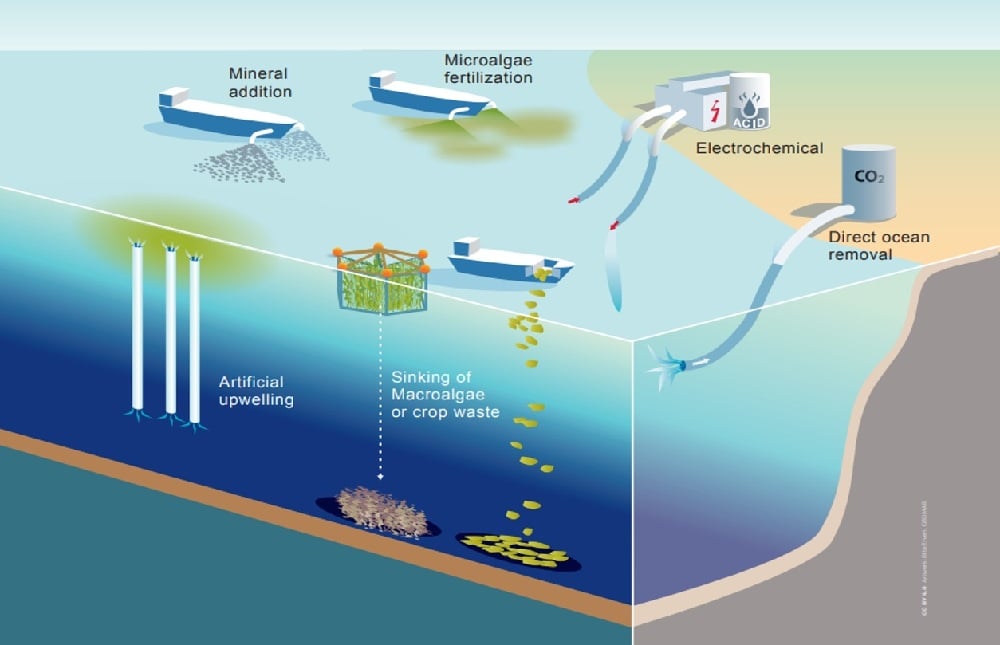
New guidance will help governments evaluate marine geoengineering research proposals to ensure they are safe for the environment. The International Maritime Organization (IMO) has adopted new guidance aimed at ensuring marine geoengineering research avoids unacceptable impacts, amid growing interest in climate change mitigation technologies. Marine geoengineering involves methods to increase the ocean’s capacity to absorb...

Latest Magazine

Shipping Australia Winter 2026
June, 2026

Subscribe to the Signal Newsletter

Be the first to know about releases and industry news and insights or catch up on any editions you missed.

Search